Toggle light / dark theme

A 100-Year-Old Problem Solved? Scientists Discover How To Freeze Organs Without Cracking Them

The breakthrough approach could lead to successful, long-term organ transplants, bringing science fiction closer to becoming medical reality. Cryopreservation, the process of preserving biological tissues by cooling them to subzero temperatures, might sound like something out of science fiction.

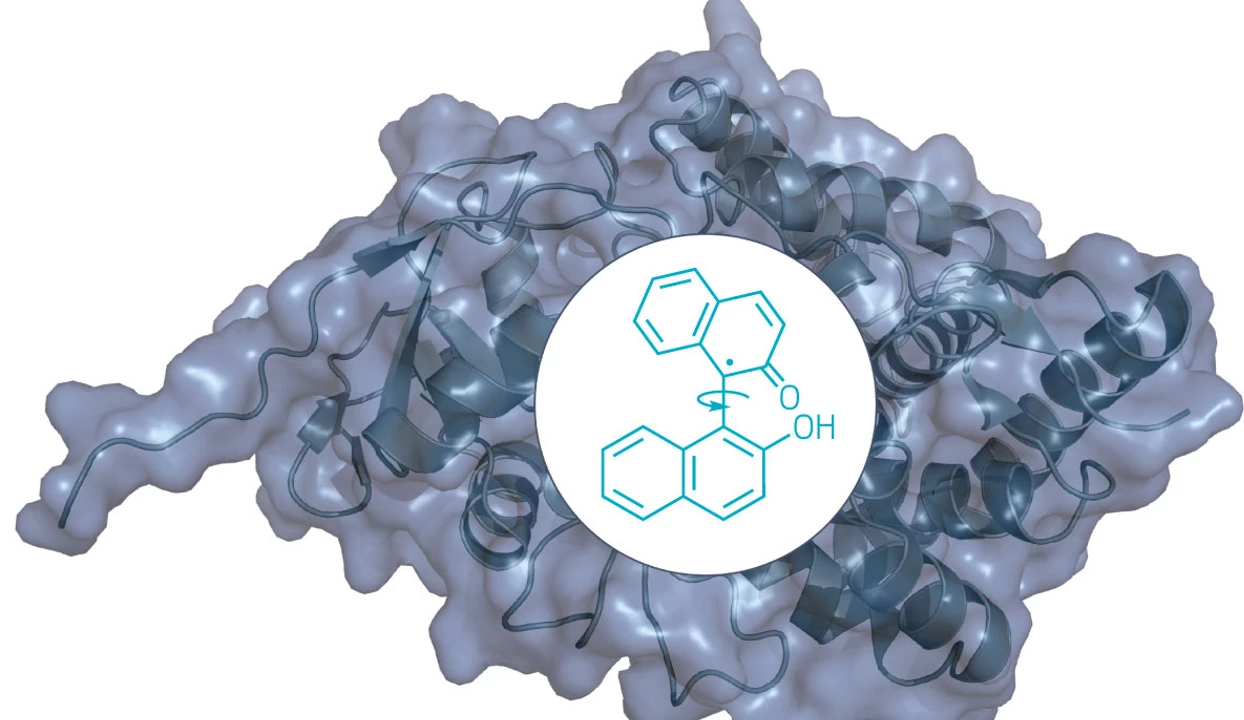
AlphaFold: The 50-year grand challenge cracked by AI

For half a century, scientists struggled to predict how proteins fold. A puzzle at the heart of understanding life and curing disease. Then, five years ago, the #alphafold team cracked the code.

Since then, more than 3 million researchers across 190+ countries have used AlphaFold’s freely available database of 200 million+ protein structures, accelerating discoveries in everything from drug design to disease-resistant crops, bee conservation, and plastic-eating enzymes.

Further reading:

Nanoflowers rejuvenate old and damaged human cells by replacing their mitochondria

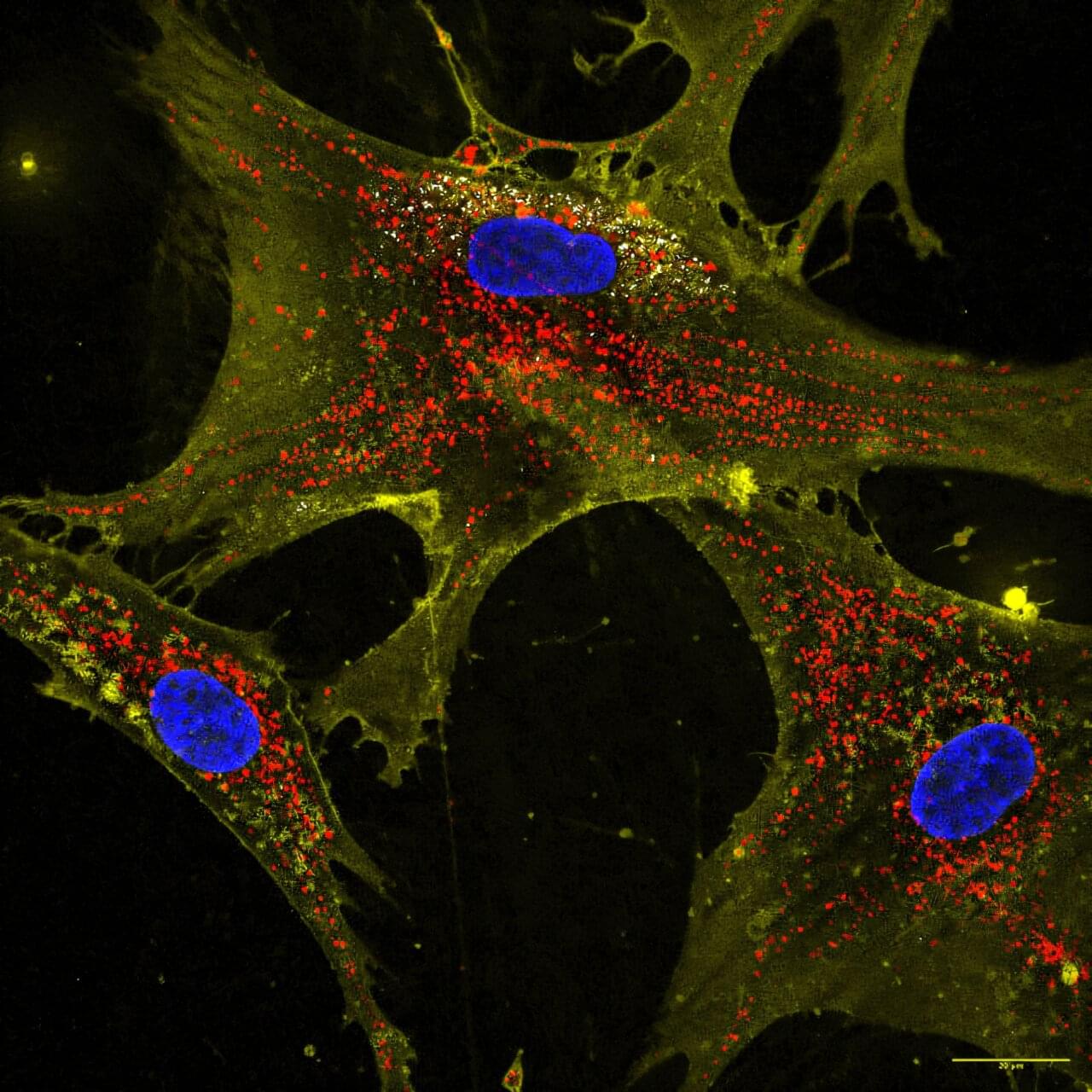
Biomedical researchers at Texas A&M University may have discovered a way to stop or even reverse the decline of cellular energy production—a finding that could have revolutionary effects across medicine.

Dr. Akhilesh K. Gaharwar and Ph.D. student John Soukar, along with their fellow researchers from the Department of Biomedical Engineering, have developed a new method to give damaged cells new mitochondria, returning energy output to its previous levels and dramatically increasing cell health.

Mitochondrial decline is linked to aging, heart disease and neurodegenerative disorders. Enhancing the body’s natural ability to replace worn-out mitochondria could fight all of them.

Scientists reverse aging in blood stem cells by targeting lysosomal dysfunction

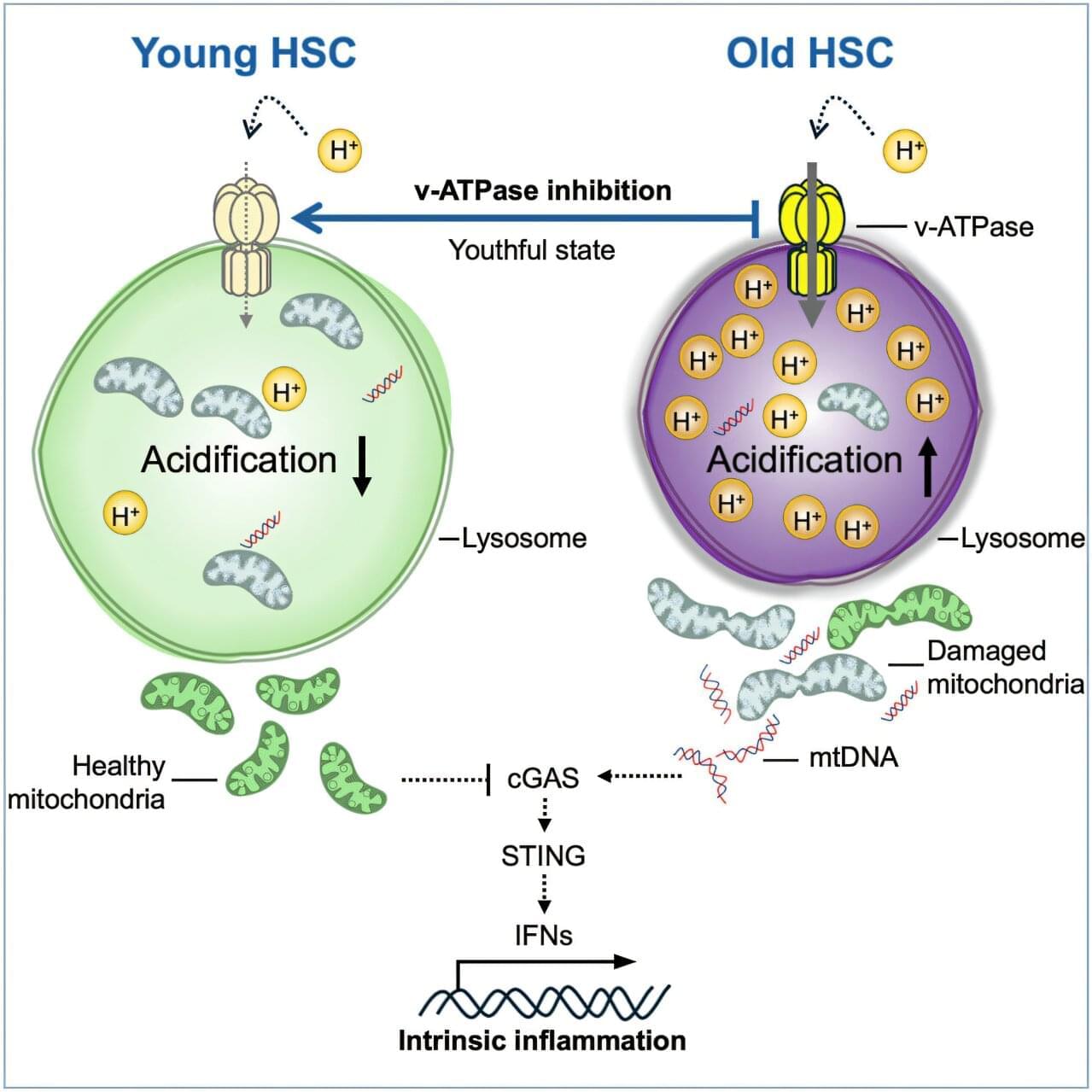
Researchers at the Icahn School of Medicine at Mount Sinai have discovered how to reverse aging in blood-forming stem cells in mice by correcting defects in the stem cell’s lysosomes. The breakthrough, published in Cell Stem Cell, identifies lysosomal hyperactivation and dysfunction as key drivers of stem cell aging and shows that restoring lysosomal slow degradation can revitalize aged stem cells and enhance their regenerative capacity.

Lysosomes are specialized structures that act as the cell’s recycling system, breaking down proteins, nucleic acids, carbohydrates, and lipids. Lysosomes accumulate and degrade waste, and eventually recycle it to be reused in biosynthetic processes. Lysosomes can also store nutrients to be released when needed. Lysosomes are recognized as pivotal for regulating metabolism in the cell, both catabolism (breaking down complex molecules to simple ones) and anabolism (building complex molecules from simpler ones).

The study, led by corresponding author Saghi Ghaffari, MD, Ph.D., Professor of Cell, Developmental, and Regenerative Biology at the Icahn School of Medicine and a member of the Black Family Stem Cell Institute, focuses on hematopoietic stem cells (HSCs). These are the rare long-lived cells in the bone marrow responsible for generating all blood and immune cells.

Parkinson’s Link to Gut Bacteria Suggests Unexpectedly Simple Treatment

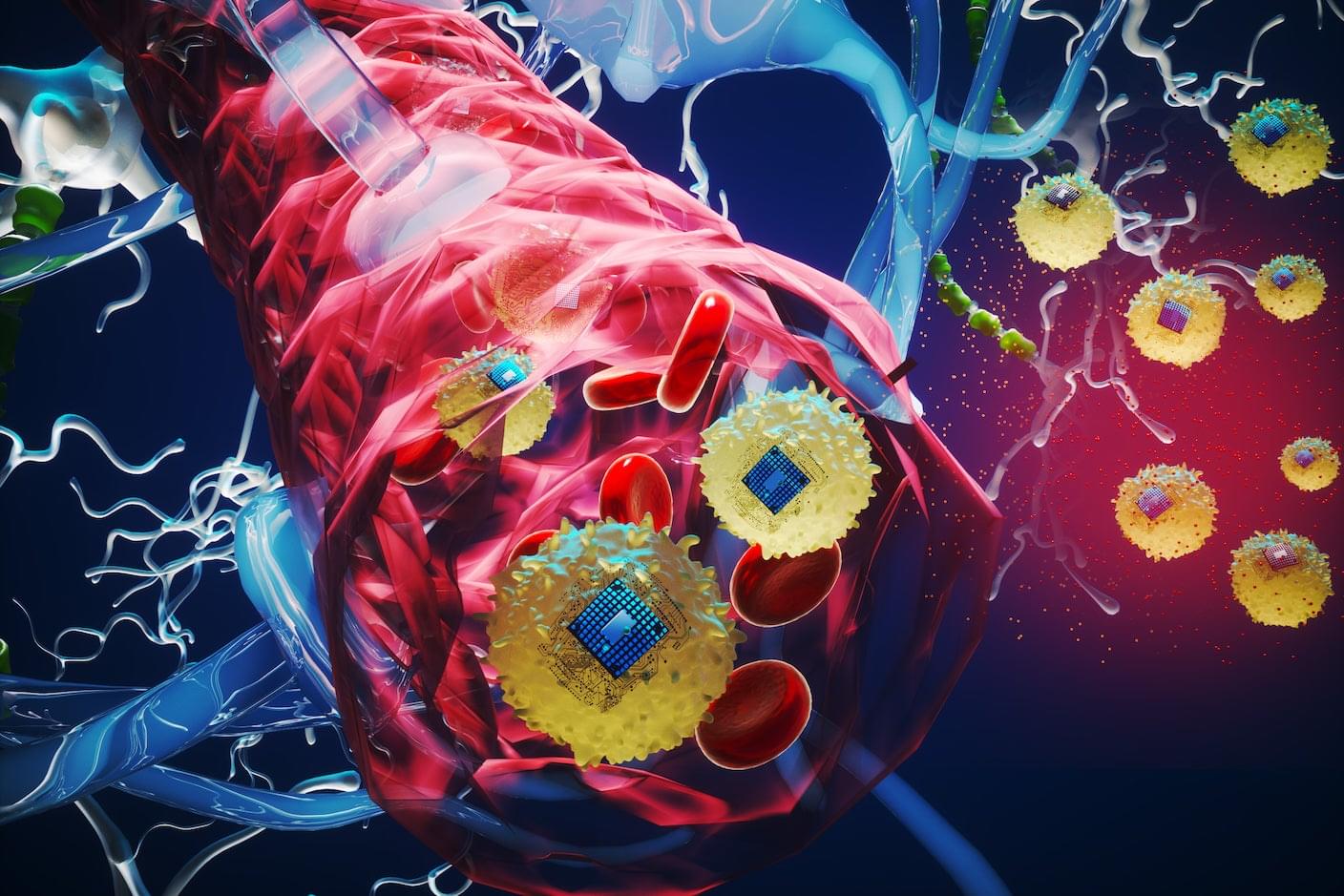
Researchers have suspected for some time that the link between our gut and brain plays a role in the onset of Parkinson’s disease.

A recent study identified gut microbes likely to be involved and linked them with decreased riboflavin (vitamin B2) and biotin (vitamin B7), suggesting an unexpectedly simple treatment that may help: B vitamins.

“Supplementation therapy targeting riboflavin and biotin holds promise as a potential therapeutic avenue for alleviating Parkinson’s symptoms and slowing disease progression,” said medical researcher Hiroshi Nishiwaki from Nagoya University in Japan, when the paper was published in May 2024.

/* */