Toggle light / dark theme

Scientists Discover Speech Trait That Foreshadows Cognitive Decline

Early signs of Alzheimer’s disease may be hidden in the way a person speaks, but it’s not yet clear which details of our diction are most critical for diagnosis.

A study from 2023 suggests that as we age, how we say something may matter more than what we say. Researchers at the University of Toronto think the pace of everyday speech may be a better indicator of cognitive decline than difficulty finding a word.

“Our results indicate that changes in general talking speed may reflect changes in the brain,” said cognitive neuroscientist Jed Meltzer when the research was published.

Metabolites produced in intestine play central role in controlling obesity and diabetes, study shows

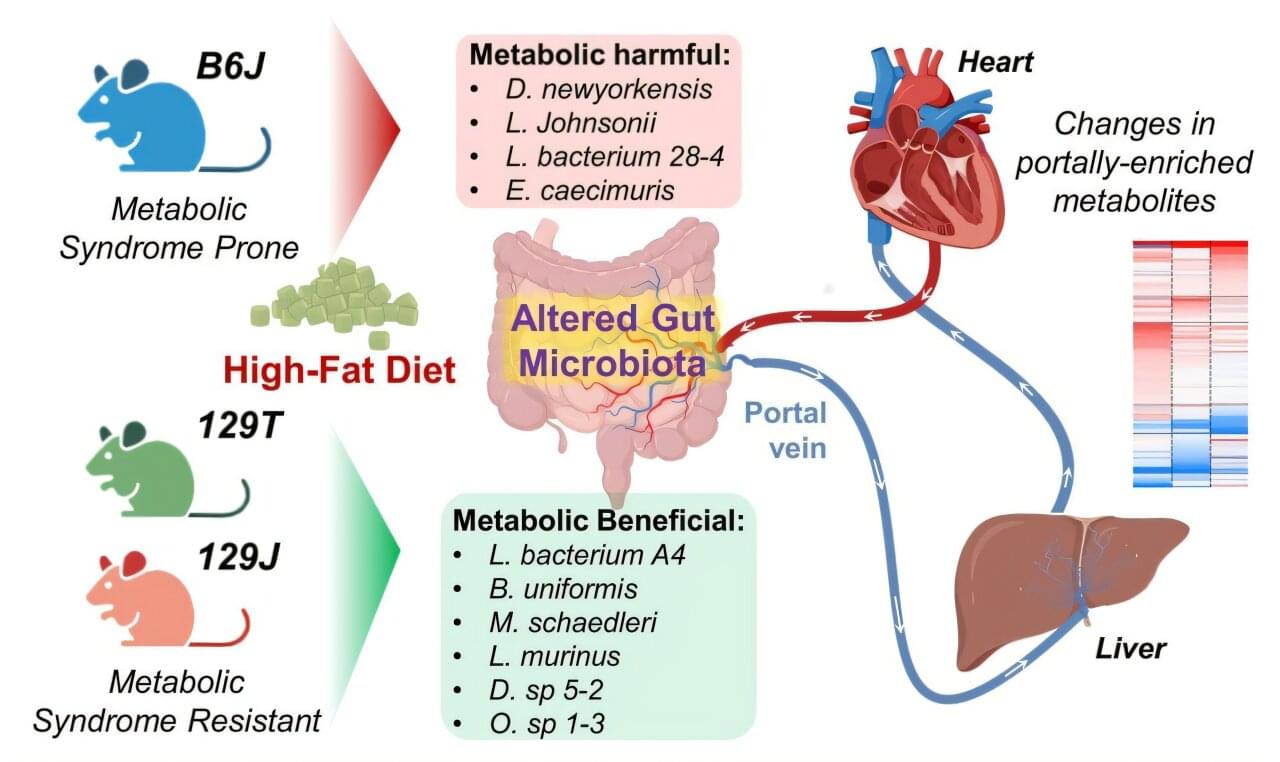
A study conducted at Harvard University identified a group of metabolites that travel from the intestine to the liver and then to the heart, where they are pumped throughout the body. These metabolites play an important role in controlling metabolic pathways in the liver and insulin sensitivity. This discovery may contribute to future treatments for obesity and type 2 diabetes. The results were published in the journal Cell Metabolism.

“The hepatic portal vein drains much of the blood from the intestine to the liver. Therefore, it’s the first place to receive products from the gut microbiome. In the liver, they can be conjugated, transformed, or eliminated, and then enter the systemic circulation,” explains Vitor Rosetto Muñoz, first author of the study and postdoctoral researcher at the Ribeirão Preto School of Physical Education and Sports at the University of São Paulo (EEFERP-USP) in Brazil.

“By analyzing the blood leaving the intestine and the peripheral blood circulating throughout the body, we were able to more accurately observe the enrichment of these metabolites derived from the gut microbiome in each location and, consequently, how they can modify hepatic metabolism and metabolic health,” adds Muñoz. He conducted this research during an internship at the Joslin Diabetes Center at Harvard Medical School under the supervision of researcher Carl Ronald Kahn.

New mutation hotspot discovered in human genome

Researchers have discovered new regions of the human genome particularly vulnerable to mutations. These altered stretches of DNA can be passed down to future generations and are important for how we study genetics and disease.

The regions are located at the starting point of genes, also known as transcription start sites. These are sequences where cellular machinery starts to copy DNA into RNA. The first 100 base pairs after a gene’s starting point are 35% more prone to mutations compared with what you’d expect by chance, according to the study published in Nature Communications.

“These sequences are extremely prone to mutations and rank among the most functionally important regions in the entire human genome, together with protein-coding sequences,” explains Dr. Donate Weghorn, corresponding author of the study and researcher at the Center for Genomic Regulation in Barcelona.

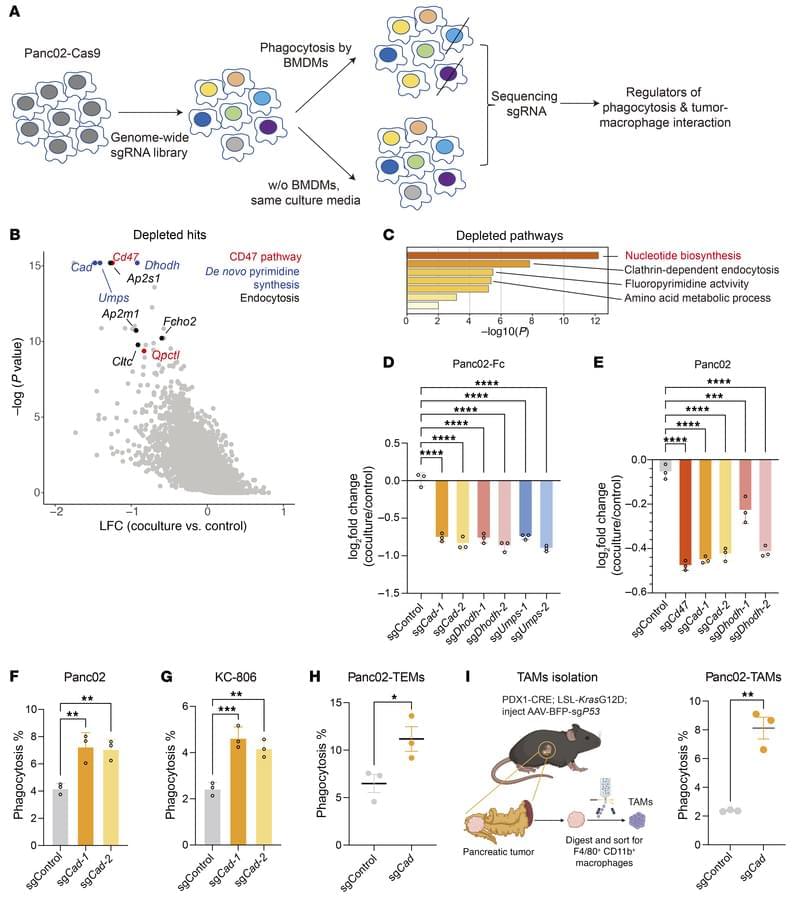
Abstract: Enhancing tumor cell susceptibility to macrophage-mediated phagocytosis in PancreaticCancer…

Deng Pan & team discover tumor pyrimidine synthesis shapes macrophage anti-tumor responses in mice, establishing a paradigm for tumor–macrophage metabolic crosstalk and revealing new therapeutic opportunities:

The figure shows inactivation of de novo pyrimidine synthesis promotes macrophage-mediated tumor control and phagocytosis.


1Department of Basic Medical Sciences, State Key Laboratory of Molecular Oncology, Tsinghua University, Beijing, China.

2Tsinghua-Peking Joint Centre for Life Sciences and.

3Center for Quantitative Biology, Academy for Advanced Interdisciplinary Studies, Peking University, Beijing, China.

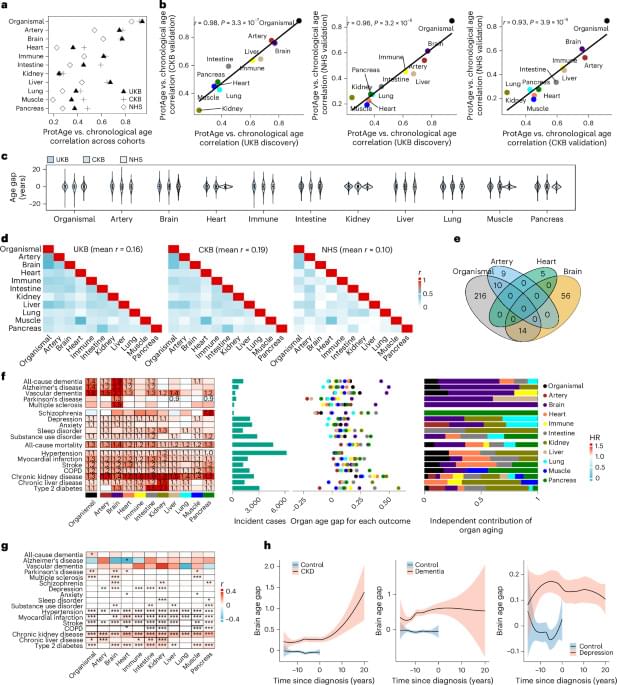
Organ-specific proteomic aging clocks predict disease and longevity across diverse populations

Wang, Xiao and colleagues develop and validate organ-specific proteomic aging clocks across large population cohorts in the UK, the USA and China, which show strong performance in tracking organ aging and predicting the risk of morbidity and mortality.

Scientists find cancer-fighting isotope hidden in accelerator waste

The photons in a particle accelerator’s beam dump are intense, high-energy radiation byproducts of the main physics experiment.

A team of researchers at the University of York states that this powerful radiation, specifically the photons, can be captured and repurposed. It can be utilized to create materials necessary for cancer treatment.

The target isotope, copper-67, is a highly valuable asset in oncology. The method shows potential for generating this rare isotope, which is used for both diagnosing and treating cancer.

DNA transcription is a tightly choreographed event: How RNA polymerase II regulates the dance

Life’s instructions are written in DNA, but it is the enzyme RNA polymerase II (Pol II) that reads the script, transcribing RNA in eukaryotic cells and eventually giving rise to proteins. Scientists know that Pol II must advance down the gene in perfect sync with other biological processes; aberrations in the movement of this enzyme have been linked to cancer and aging. But technical hurdles prevented them from precisely determining how this important molecular machine moves along DNA, and what governs its pauses and accelerations.

A new study fills in many of those knowledge gaps. In a paper published in Nature Structural & Molecular Biology, researchers used a single-molecule platform to watch individual mammalian transcription complexes in action. The result is a clear view of how this molecular engine accelerates, pauses, and shifts gears as it transcribes genetic information.

“What’s really striking is how this machine functions almost like a finely tuned automobile,” says Shixin Liu, head of the Laboratory of Nanoscale Biophysics and Biochemistry. “It has the equivalent of multiple gears, or speed modes, each controlled by the binding of different regulatory proteins. We figured out, for the first time, how each gear is controlled.”

Rare Earth Element Crystals Found Forming in a Plant For The First Time

Scientists have just discovered an incredible superpower hidden away in the tissues of the fern Blechnum orientale, a plant that can collect and store rare earth elements.

The findings could lead to a more sustainable way of gathering mineral resources that we are increasingly reliant upon.

There are 17 rare earth elements in total, and these metallic materials are now deeply embedded in all kinds of tech – from wind turbines and computers, to broadband cables and medical instruments. They’re not actually that rare, but they are difficult and expensive to extract from the Earth’s crust in a useful form.

First-in-human trial of CRISPR gene-editing therapy safely lowered cholesterol, triglycerides

Research Highlights: In a Phase 1, first-in-human trial, a one-time infusion of an investigational CRISPR-Cas9 therapy targeting angiopoietin-like protein 3 (ANGPTL3) was safe and reduced LDL cholesterol by nearly 50% and reduced triglycerides by…

Where are all the trillion dollar biotechs?

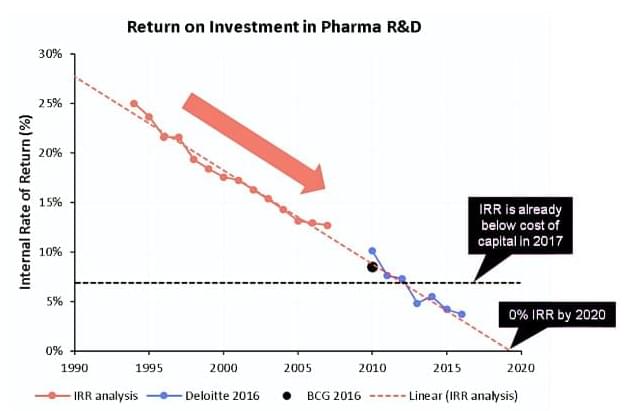
Of the many trends people chase in biotech, the only one that proves sure and consistent is declining returns. Even after adjusting for inflation, the number of new drugs approved per $1 billion of R&D spending has halved approximately every nine years since 1950. Deloitte’s forecast R&D IRR for the top 20 pharmas fell below the industry’s cost of capital (~7–8%) between 2019 and 2022. In other words, while the industry remained profitable overall, the incremental economics of R&D investment were value-eroding rather than value-creating. So, while other industries have a reason to treat the current market downturn as transient, the business of developing medicine has a more fundamental problem to deal with — it is quite literally shrinking out of existence.

/* */